




Are your concerns about root canal therapy stopping you from seeing your dentist?
The good news is, the costs and pain associated with root canal therapy are now easier than ever to manage.
Decay or trauma to teeth can sometimes lead to bacteria entering a tooth’s root canal. This can infect the pulp - the soft tissue located in the root canal deep inside the tooth. The infection, which occurs as a result, can cause the ‘death’ of the pulp. If the pulp is infected, it needs to be removed to prevent bacteria spreading into the jaw bone.
Unpleasant at the best of times, infection can lead to:
- Tooth pain
- Soreness and swelling in the surrounding gum
- Loss of the affected tooth
- Damage to or permanent loss of the bone in which the tooth is embedded
Root canal treatment involves the removal of infection, a process that may occur over one or more appointments. We may also recommend an indirect restoration or a dental crown to help seal and strengthen the tooth once the root canal has proven to be successful.
Root Canal Therapy Gold Coast
Relieve Tooth Pain and Preserve Your Natural Tooth with Root Canal Treatment
When the inner part of a tooth becomes infected or damaged, root canal therapy may be recommended to help treat the problem and preserve the natural tooth.
At Define Dental, we provide root canal therapy in Benowa to treat issues affecting the inside of the tooth, including infection or inflammation of the dental pulp.
Root canal treatment involves removing the affected pulp tissue from inside the tooth, cleaning and shaping the root canals, and sealing the tooth to help prevent further infection.
Our experienced dental team will assess your tooth, explain your treatment options and help you understand whether root canal therapy may be suitable for your needs.
What Is Root Canal Therapy?
Root canal therapy, also known as endodontic treatment, is a dental procedure used to treat problems affecting the inside of a tooth.
Inside each tooth is a soft tissue called dental pulp, which contains nerves and blood vessels. If bacteria enter this area due to decay, cracks, injury or other damage, the pulp may become inflamed or infected.
During root canal treatment, your dentist removes the affected pulp, cleans the inside of the tooth and seals the root canals. The tooth can then be restored to help protect its structure and function.
Signs You May Need Root Canal Therapy
Symptoms can vary between patients, but some signs that may indicate a problem inside a tooth include:
- Ongoing tooth pain
- Sensitivity to hot or cold temperatures
- Pain when biting or chewing
- Swelling or tenderness around the tooth
- Changes in tooth colour
- A dental abscess or infection
If you are experiencing tooth pain or discomfort, book a consultation with Define Dental today. Our dentists will carry out an assessment to help identify the cause and discuss appropriate treatment options for you.
When Might You Need Root Canal Treatment?
Root canal therapy may be recommended when the pulp inside a tooth has become damaged, inflamed or infected.
Common reasons a root canal may be required include:
Deep Tooth Decay
When decay reaches the inner layers of the tooth, bacteria can affect the dental pulp and may require treatment.
Tooth Infection
An infection inside the tooth may cause symptoms such as pain, sensitivity or swelling around the affected area.
Cracked or Damaged Teeth
A crack or injury may allow bacteria to reach the inside of the tooth.
Previous Dental Treatment
In some cases, a tooth that has previously undergone treatment may require further assessment and care.
One of our dentists will examine your tooth and may use X-rays along with other assessments to determine the cause of your symptoms to then provide you with the most appropriate treatment option.
Benefits of Root Canal Treatment
Root canal therapy can provide several benefits depending on your individual circumstances.
Helps Treat Infection Inside the Tooth
Root canal treatment removes infected or damaged pulp tissue from inside the tooth and helps address the source of the problem.
Helps Preserve Your Natural Tooth
Where appropriate, root canal therapy can allow a damaged or infected tooth to be retained rather than removed.
Restores Tooth Function
Following treatment and restoration, the tooth can continue to function as part of your smile.
Avoids Immediate Tooth Replacement
Keeping a natural tooth may help avoid the need for replacement options such as bridges or implants, depending on your circumstances.
The Root Canal Treatment Process
The root canal process involves several stages designed to treat the inside of the tooth and restore its function.
Consultation and Assessment
Our dentists will review your concerns and symptoms before examining the affected tooth. A dental X-ray will be part of the assessment of the tooth and surrounding structures to determine the best treatment for you.
Removing the Affected Pulp
Our first priority will always be to ensure you are comfortable and adequately numb. During treatment, the infected or damaged pulp tissue is carefully removed from inside the tooth.
Cleaning and Sealing the Tooth
The root canals are cleaned, shaped and sealed to help prevent bacteria from re-entering the tooth.
Restoring the Tooth
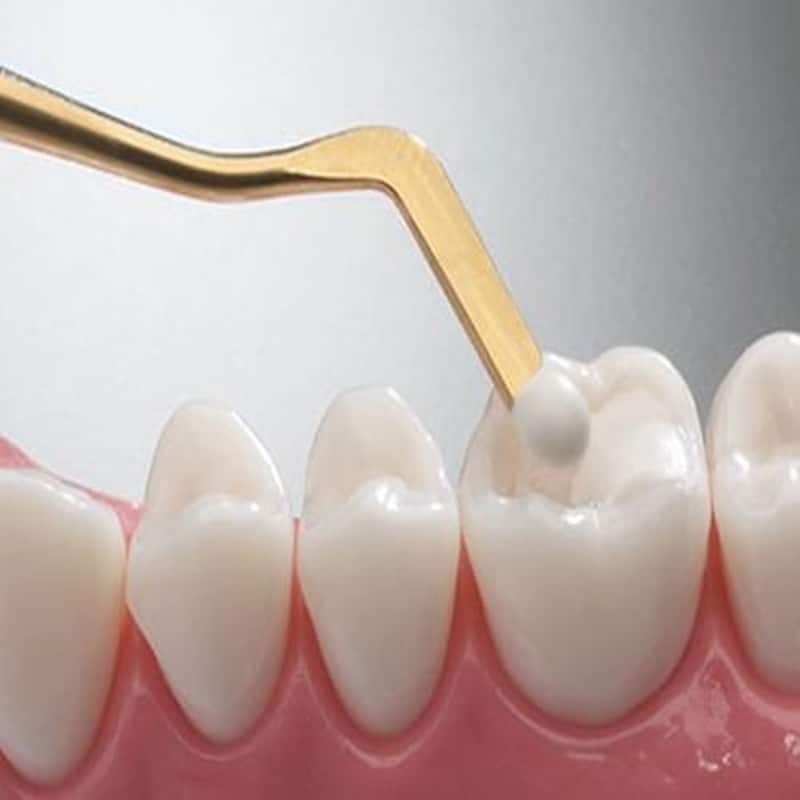
After root canal therapy, the tooth will require a filling or dental crown depending on how much natural tooth structure remains and the level of support needed.

Do You Need a Crown After Root Canal Treatment?
In some cases, a dental crown may be recommended after root canal therapy.
A tooth that has undergone root canal treatment may require additional protection, particularly if it has experienced significant damage or has lost a large amount of natural structure.
Your dentist will assess the condition of your tooth and discuss whether a crown or another restoration may be appropriate.
You can learn more about our dental crown treatment here: Dental Crowns Benowa.
Root Canal Treatment vs Tooth Extraction
Caring for Your Tooth After Root Canal Treatment
To care for your treated tooth:
- Brush twice daily with fluoride toothpaste
-
Clean between your teeth daily
- Attend routine dental check-ups
- Follow your dentist’s recommendations for any restoration or ongoing care
Is Root Canal Therapy Right for You?
Tooth pain or infection can be concerning, but early assessment can help you understand your options.
At Define Dental, our team will carefully assess your tooth, explain the recommended treatment and answer any questions you may have about the root canal process.
If you are experiencing tooth pain, sensitivity or signs of infection, contact Define Dental in Benowa to arrange a consultation.
Frequently Asked Questions
Is root canal treatment painful?
Root canal treatment is performed using local anaesthesia to help manage discomfort during the procedure. Some people may experience temporary sensitivity or discomfort following treatment.
How long does root canal treatment take?
How do I know if I need a root canal?
One of our dentists will need to assess your tooth to determine whether root canal therapy is appropriate. Symptoms such as ongoing tooth pain, sensitivity, swelling or signs of infection may require further investigation.
Can a root canal save my tooth?
Yes, it may. Root canal treatment can help preserve a tooth affected by infection or damage in many cases. One of our dentists will assess whether the tooth is suitable for treatment.
What happens if I delay root canal treatment?
Do all root canal-treated teeth need crowns?
It's very common for a tooth to require a crown or indirect restoration following root canal therapy. However, not every tooth requires a crown after root canal therapy. The recommended restoration depends on factors such as the location of the tooth, the amount of remaining tooth structure and your bite. One of out dentists would discuss this with you when assessing the tooth.